What Are the Signs Your Sump Pump Needs Service?
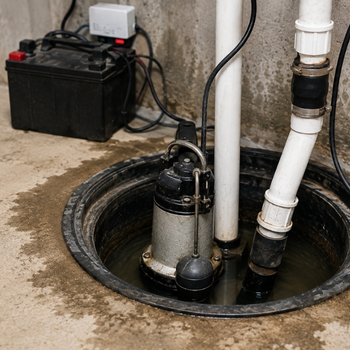 A sump pump is often installed to reduce the costly toll of water damage. During heavy rainstorms, the system activates to divert water away from your home and foundation. As a result, your basement avoids flooding and structural concerns that could increase your premiums.
The typical sump pump lasts seven to 10 years, but clogs, electrical issues and premature wear can make it less reliable during critical moments. Before you’re left with puddles and mold, it’s important to know when to schedule service. Depending on the issue, repairs or a replacement may be your best option.
What Are the Warning Signs of Sump Pump Damage?
Your sump pump is operating less optimally if you detect one or more of the following signs:
- Unusual Sounds: Noises like grinding, humming, rattling or buzzing can indicate a clog or malfunctioning motor.
- Unusual Operation: Issues with the switch can cause the sump pump to run continuously, turn on throughout the day, or not respond at all.
- Rust and Wear: Age, vibrations and flow issues may lead to inconsistent performance plus visible rust, cracks and mold growth.
- A Wet Basement: Puddles, peeling paint, damp carpet or a musty odor are signs of a sluggish or clogged pump.
- Strange Smells: An overworked sump pump can generate excessive heat that produces a burning smell and consumes more power.
- Alignment Issues: A sump pump that shifts or vibrates may be poorly installed or have damaged or misaligned parts – factors that can lead to premature wear.
- Inconsistent Water Removal: A pump that runs but does not remove water may be suffering from a line blockage, damaged parts or a power issue.
When Do I Need to Replace My Sump Pump?
The typical sump pump offers seven to 10 years of service. After this point, parts may become more susceptible to wear, and the system may no longer operate as efficiently or reliably as it used to.
When May a Sump Pump Need to Be Replaced?
A replacement system may be advised if your sump pump:
- Shows visible signs of wear
- Needs frequent or high-cost repairs
- Does not operate as consistently or as efficiently
- No longer offers the capacity you need
When Can a Sump Pump Be Repaired?
Repairs may be recommended for:
- A stuck switch
- Clogged pipes or intakes
- Minor electrical issues
- A damaged check valve
How Do You Maintain a Sump Pump?
You can ensure the long-term performance of your sump pump by:
- Draining and cleaning the pit of debris every couple of months
- Properly positioning the discharge line to prevent backflow
- Using a separate circuit and backup battery for a consistent source of power
- Scheduling an annual inspection of its performance
Frequently Asked Questions About Sump Pump Service
1. How Often Should a Sump Pump Be Serviced?
A sump pump should generally be inspected and tested at least once a year. Regular service can identify clogs, worn parts, electrical problems and other issues before heavy rain puts the system to the test.
2. How Can I Test Whether My Sump Pump Is Working?
Pour water into the sump pit until the water level rises enough to activate the pump. The system should turn on, remove the water and shut off once the appropriate level is reached. If it fails to activate or drain the pit, it may need professional service.
3. Why Is My Sump Pump Running When It Isn’t Raining?
A sump pump may run without recent rainfall because of groundwater around your foundation, a stuck or malfunctioning switch, drainage issues or another source of water entering the pit. Frequent or continuous operation should be inspected to determine the cause.
4. Should I Have a Backup Battery for My Sump Pump?
A battery backup can keep your sump pump operating during a power outage, when your primary system may otherwise stop working. This added protection can be particularly valuable during severe storms that bring both heavy rainfall and power disruptions.
5. What Happens If a Sump Pump Stops Working?
If water continues entering the sump pit while the pump is not operating, the pit can overflow and allow water into your basement. This can lead to water damage, mold growth, damaged belongings and structural concerns.
Request Sump Pump Service
Whether you need annual maintenance or help investigating slow drainage, call MJ Fahy & Sons to prepare your sump pump for the demands of changing weather. Contact us today to get started.