What Happens During a Commercial Fire Inspection?
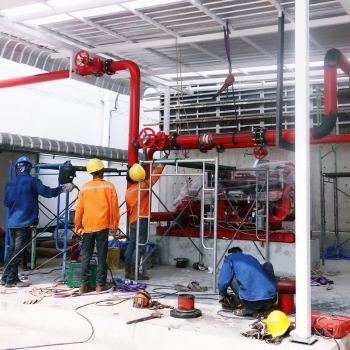 If a fire started in your breakroom, what would happen? In an ideal scenario, alarms sound, sprinklers activate, and employees follow planned routes to safety.
This outcome can drastically reduce liabilities, including injuries and building code violations, that could lead to fines, lawsuits, lost property and even permanent closure.
Whether you operate a small office or a large manufacturing facility, commercial fire inspections are a critical part of conducting business. Here’s what you can expect.
What Is a Commercial Fire Inspection?
During a commercial fire inspection, qualified professionals assess your property and fire protection systems for hazards and potential fire code violations.
Their goal is to help ensure the safety of all occupants and the integrity of your space. That is accomplished by evaluating key protection features, such as fire extinguishers, sprinklers, exits and electrical systems, against applicable National Fire Protection Association (NFPA) standards and local fire and building codes.
How Often Are Commercial Fire Inspections Required?
Inspection, testing and maintenance schedules vary based on the type of fire protection system or equipment, applicable NFPA standards, local requirements and the authority having jurisdiction. Depending on the system or component, inspections and testing may be required at monthly, quarterly, semiannual, annual or multi-year intervals.
Standards including NFPA 10, 20, 25, 72, 96 and 101 address different aspects of fire and life safety, including portable fire extinguishers, fire pumps, water-based fire protection systems, fire alarms, commercial cooking operations and life safety.
What Does a Commercial Fire Inspection Cover?
Our professionals determine if your fire protection systems are properly maintained and ready to operate.
- Sprinklers: Inspections look for corrosion, leaks, inadequate water pressure, drainage problems, obstructions and valve issues.
- Fire Alarms: Inspections and testing can evaluate components such as power supplies, initiating devices, notification appliances and overall system operation.
- Fire Extinguishers: These should be properly maintained, appropriately located, accessible and free of damage that could impede operation.
- Fire Pumps and Connections: Inspection and testing help verify that fire pumps and fire department connections are maintained and capable of supporting the building’s fire protection systems as designed.
- Kitchen Equipment: Inspections focus on fire suppression systems and other protections associated with commercial cooking equipment and grease-related hazards.
- Fire Exits: Inspections can evaluate whether required exits and exit markings are accessible, visible and compliant with applicable life-safety requirements.
- Material Storage: Building owners must properly store combustible and flammable materials, limit ignition hazards and maintain required fire protection measures.
- Lighting and Electrical Systems: Emergency lighting supports safe evacuation, while improperly maintained electrical equipment can create a fire hazard.
What Are Common Fire Code Violations?
A lack of maintenance and inconsistent fire response protocols can contribute to:
- Blocked or damaged sprinkler heads
- Closed valves
- Expired or poorly pressurized fire extinguishers
- Exits blocked by equipment and supplies
- Missing or damaged exit signs
- Insufficient emergency lighting
- Dirty or damaged smoke detectors and alarm systems
- Corroded or leaking pipes
- Incomplete or outdated fire protection records
How Do Commercial Fire Inspections Benefit Businesses?
These procedures help your facility comply with applicable fire codes and standards, often directing you to repairs and other improvements intended to:
- Maintain the performance of fire suppression equipment
- Keep employees and customers safe
- Preserve your building, equipment and merchandise
- Manage hazards and costly long-term repairs
- Improve monitoring, maintenance and testing processes
- Reduce loss and business interruptions
- Control risks that could affect insurance coverage
What Happens If You Skip a Commercial Fire Inspection?
Failing to complete required inspections can result in code violations and other consequences while increasing risks that can compromise employee safety and business operations. Possible scenarios include:
- Poorly performing fire protection systems creating a safety hazard for employees during evacuations
- Extensive fire damage resulting in months-long or permanent closure
- High financial losses from equipment and structural damage
- Insurance coverage or claims being affected following an incident
- Lawsuits regarding injuries and insufficient safety measures
- Reputational damage impacting future profits and operations
Frequently Asked Questions About Commercial Fire Inspections
1. How Should You Prepare for a Commercial Fire Inspection?
Before an inspection, make sure exits, fire extinguishers, sprinkler equipment, electrical panels and other fire protection components are accessible. Review your inspection and maintenance records and address any known issues with fire protection systems.
2. How Long Does a Commercial Fire Inspection Take?
The length of a commercial fire inspection depends on the size and type of facility, the fire protection systems in place and the scope of the inspection. A larger or more complex facility generally requires more time to evaluate than a small commercial space.
3. Who Is Responsible for Commercial Fire Inspections?
Responsibility can vary based on the property, fire protection system, local requirements and type of inspection. Building owners, property managers, employers, qualified fire protection professionals, and local authorities may all have roles in maintaining fire safety and completing required inspections.
4. What Happens If a Fire Code Violation Is Found?
If an inspection identifies a fire code violation, the business or property owner may be required to correct the issue within a specified period. The necessary action depends on the type and severity of the violation and the requirements of the authority having jurisdiction.
5. What Records Should You Keep for Fire Protection Systems?
Keep records of required inspections, testing, maintenance, repairs and other service performed on your fire protection systems. Documentation requirements and retention periods can vary based on the system, applicable standards and local requirements.
How Can M.J. Fahy & Sons Help Prepare for a Commercial Fire Inspection?
Our team’s thorough fire system assessments help you identify and repair various concerns ahead of your scheduled inspections. We can identify leaks, recommend upgrades and expand your existing piping. Schedule service today!